
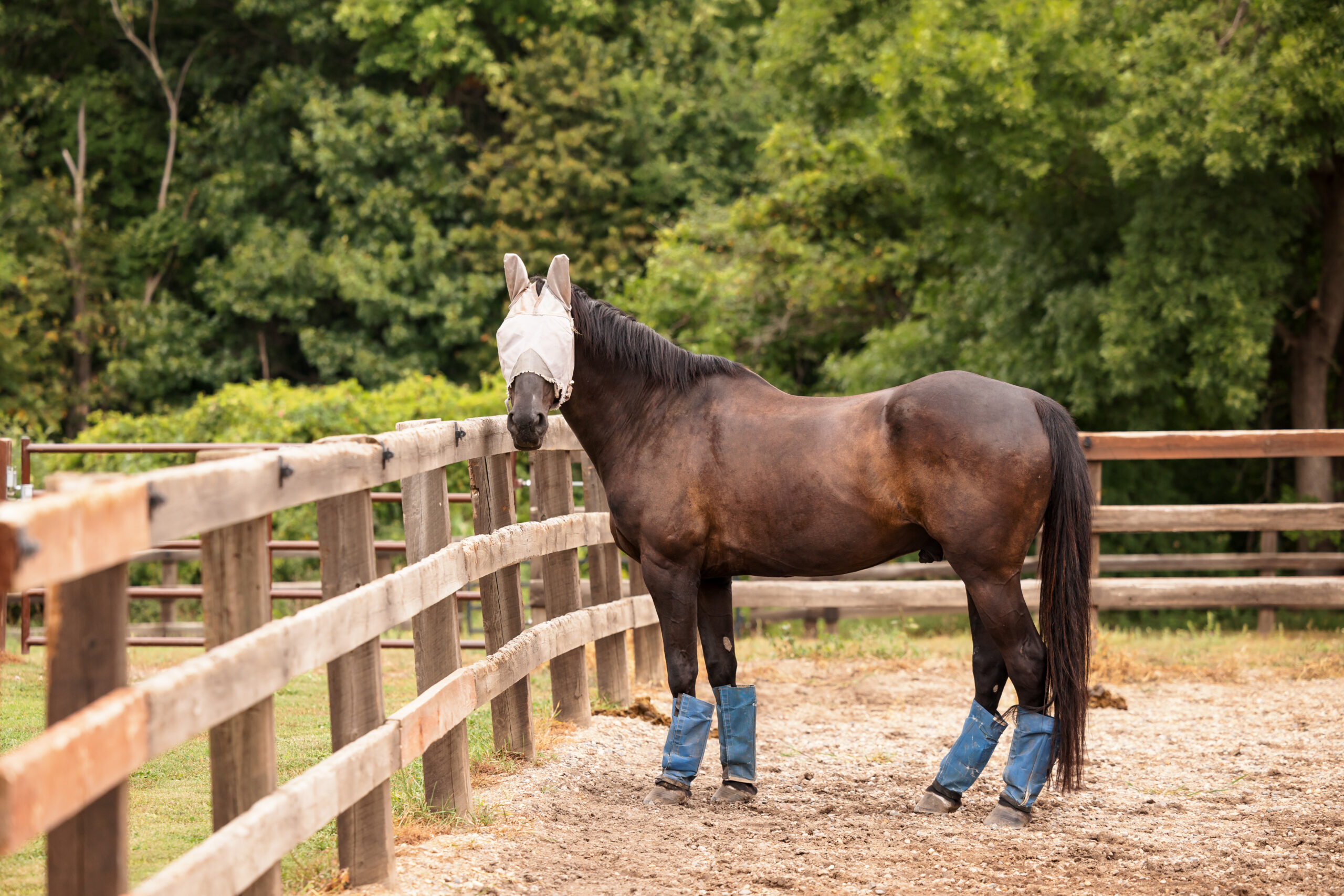
July through September marks peak season for one of the most painful pests in the barnyard — biting stable flies. Unlike house flies that land and crawl, stable flies pierce the skin and feed on blood. They target legs, ankles, and flanks, and they don’t stop until they’ve had their meal. For horses, that means stomping, tail swishing, distraction during rides, and in heavy infestations, real health consequences. For you, it means a summer battle that gets harder the longer you wait.
The good news: stable fly populations are highly manageable when you address them at multiple points in their lifecycle. This guide covers exactly how to do that.
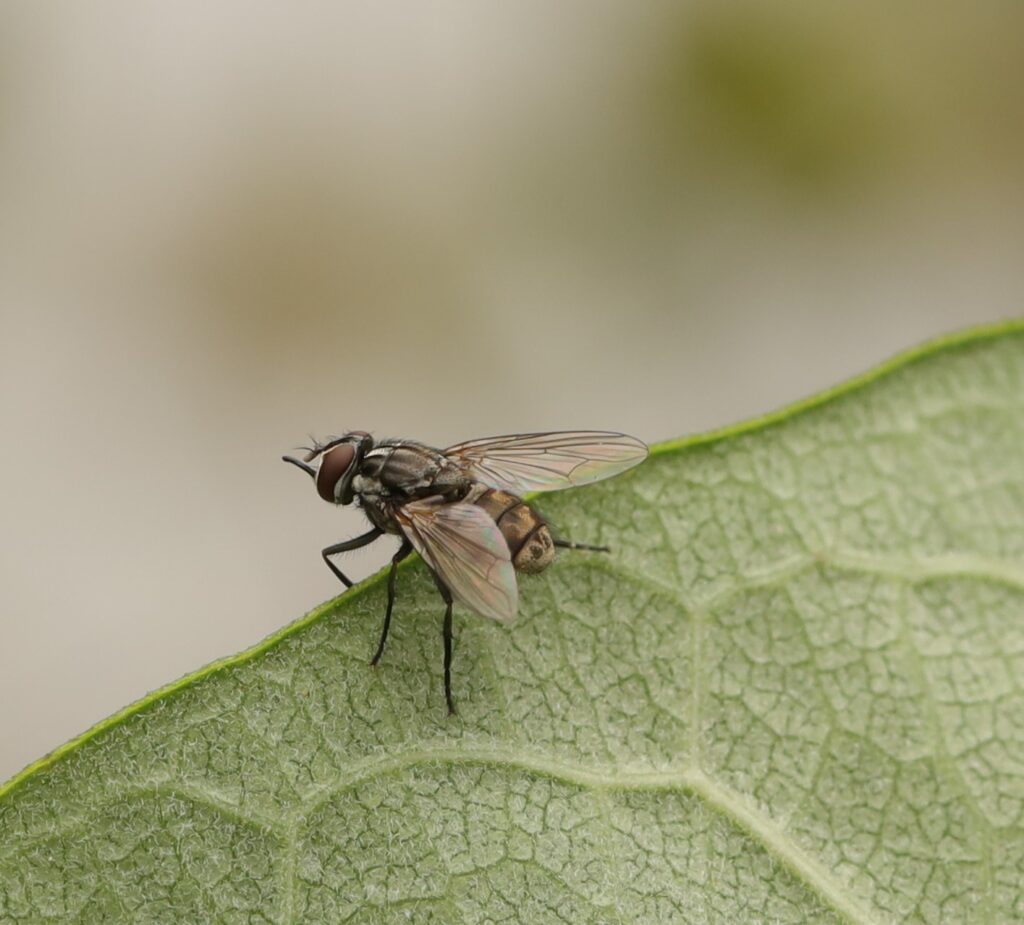
Most flies are a nuisance. Stable flies are a hazard. Here’s what sets them apart:
Peak season: July through September in most of the U.S. — though they remain active well into October in warmer southern regions. Activity spikes during warm, humid weather and tends to be highest during the day, particularly morning and early afternoon.
Stable flies are ground feeders. They rest on low vegetation, fencing, barn walls, and equipment between blood meals. Unlike horn flies that stay on their host animal, stable flies bite and then retreat — making them harder to deter with repellents alone.
Stable flies target legs and flanks almost exclusively when feeding on horses. Signs of infestation include stomping, bunching near structures to escape flies, decreased willingness to work, and visible leg irritation or self-inflicted wounds from stomping.
On cattle operations, stable flies concentrate on the lower legs and cause significant production losses. Research has documented measurable drops in milk yield and weight gain during peak stable fly pressure. Horn flies and stable flies often co-occur, so a layered control approach is especially important for dairy operations.
Small properties with limited manure management infrastructure often experience higher stable fly pressure per animal because breeding sites are concentrated. Even a single round bale feeding site can produce enormous fly populations if not managed.
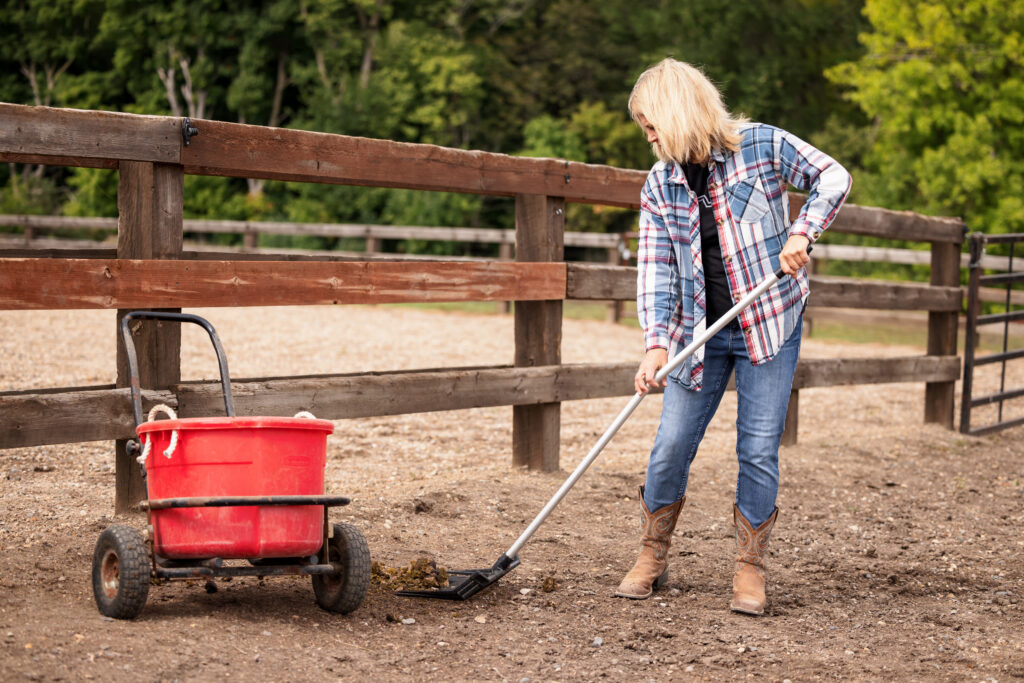
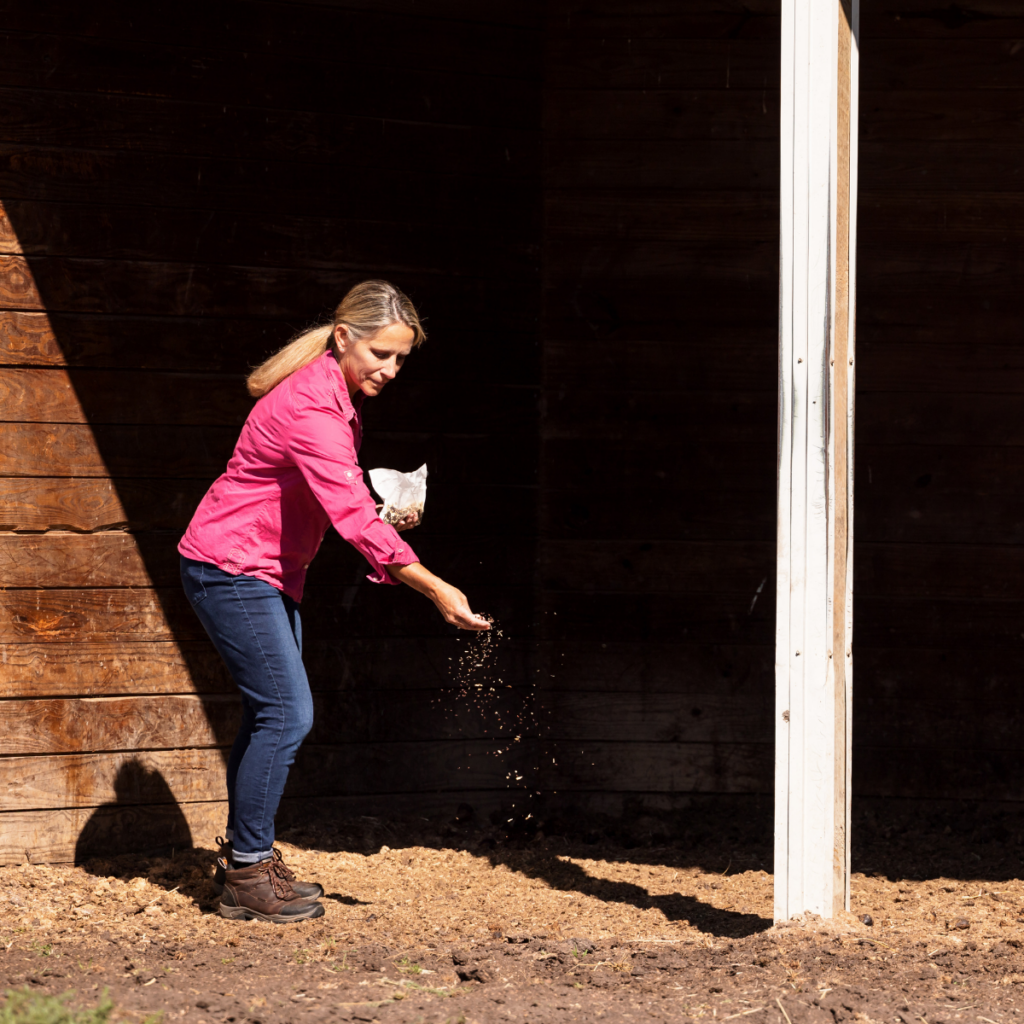
Stable flies breed in moist, fermenting organic material — primarily manure, soiled bedding, wet hay bales, grass clippings, and vegetative debris along fence lines or lakeshores. A single round bale feeding site can produce over a million stable flies.
Understanding the lifecycle is key to timing your control efforts effectively:
KEY INSIGHT: The pupal stage is your best control window. Fly Predators — parasitic wasps that target fly pupae — interrupt the lifecycle before adult flies ever emerge. Starting them early in the season prevents populations from building.
No single product eliminates stable fly pressure on its own. The most effective approach addresses the lifecycle at three points simultaneously.

Fly Predators are parasitic wasps that target fly pupae — the stage just before adult flies emerge. Spalangia species within the Fly Predators blend are specifically more effective against stable flies than other parasitoid insects, making them the right biological control tool for this species.
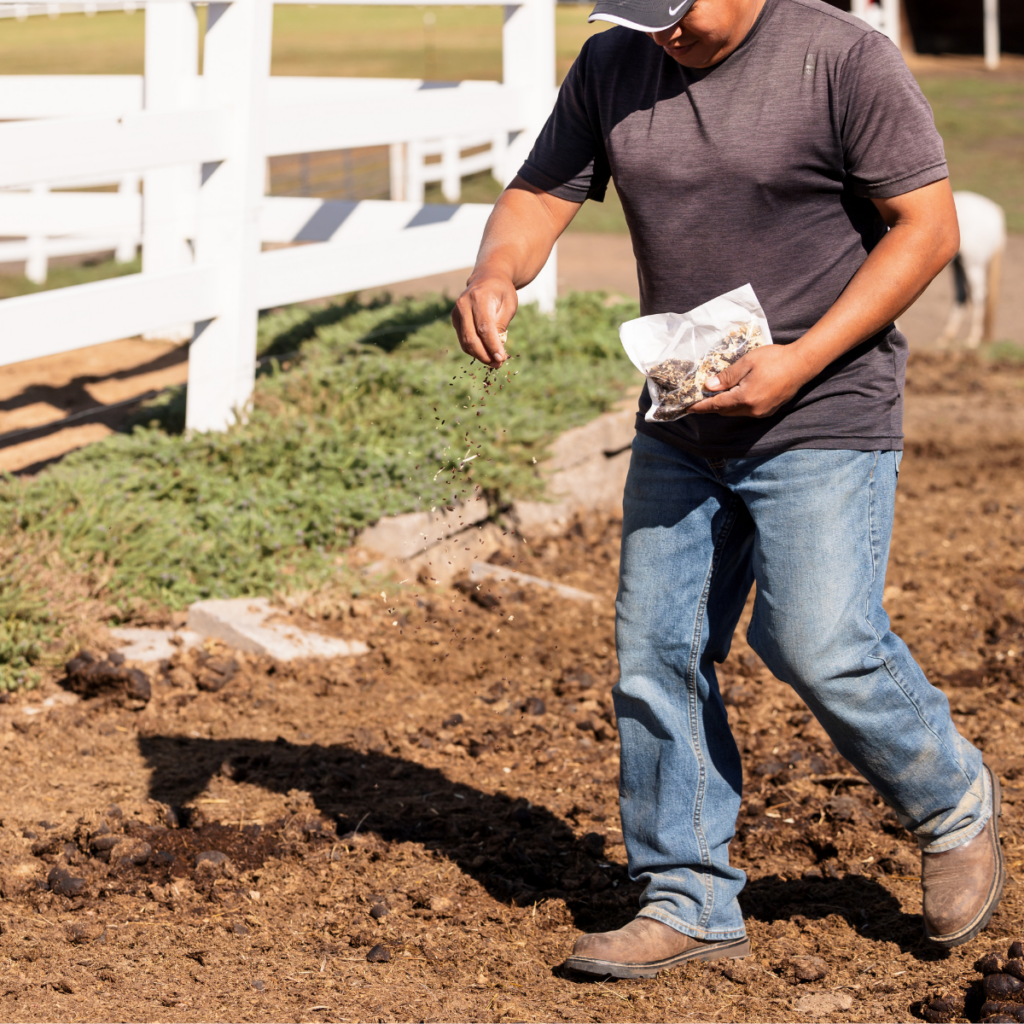
Release Fly Predators every 3–4 weeks starting in early spring, concentrating them near manure piles, soiled bedding, and any area with moist organic debris. They work passively — no spraying, no maintenance — and they don’t affect horses, humans, or beneficial insects.
Fly Predators stop the next generation from hatching, but they don’t affect adult flies already flying. Targeted traps fill that gap. The Starbar® Bite Free™ Stable Fly Trap is specifically designed for stable flies — positioned between animals and their typical resting areas to intercept adults before they feed.
Place traps near breeding zones and between the barn and pastures. Traps are most effective when used alongside biological and cultural control — not as a standalone solution.
Bye Bye Insects botanical fly spray uses essential oils — geraniol, peppermint, rosemary, citronella, and lemongrass — to repel biting stable flies. Apply before turnout or a trail ride for protection during peak fly activity hours. It’s safe for both horses and the people handling them, with no harsh chemicals or sticky residue.
KEY INSIGHT: The three-layer approach works together: Fly Predators reduce the breeding population, traps catch adults, and Bye Bye Insects protects animals during high-pressure windows. Each addresses a different stage of the fly lifecycle.
To understand more about biting stable fly behavior and control, visit our detailed integrated pest management guide
Cultural control — disrupting breeding conditions — makes everything else work better:
10 tips for a healthy horse stable
Stable flies look nearly identical to house flies but have a distinct needle-like mouthpart (proboscis) used to pierce skin and feed on blood. House flies don’t bite. Stable flies are also slightly smaller and have a spotted abdomen pattern. If flies are biting your legs or your horse’s legs, they’re stable flies.
Stable fly populations peak July through September in most of the U.S. Activity typically drops in October as temperatures fall, and they overwinter as larvae or pupae. In warmer southern regions, activity can extend into November. Starting control measures in early spring prevents populations from building before peak season.
Yes. Spalangia species within Spalding Labs’ Fly Predators blend are specifically more effective against stable flies than other parasitoid species. They target stable fly pupae in breeding material — manure, soiled bedding, wet hay — and interrupt the lifecycle before adults emerge.
Yes. Stable flies are known to bite through thin fabrics, particularly around the ankles. They’re a problem for people working around livestock and can be a nuisance at outdoor events near farms or wooded areas. Applying Bye Bye Insects to exposed skin and clothing provides protection.
Stable flies target legs and ankles almost exclusively. If your horse is stomping constantly and biting at their lower legs, stable flies are the likely culprit. Deer flies and horse flies typically target the head and neck. Face flies cluster around the eyes and nose. See our Education Center for detailed identification guides for each species.
Identify which flies are on your property
Research from Texas A&M University has documented over one million stable flies developing from the debris of a single round bale feeding site. Even smaller breeding sites — a neglected stall corner, a wet hay spot near a fence — can produce significant populations. This is why cultural control and consistent manure management are foundational to any fly control program.
Stable flies feed primarily during the day, with peak activity in the morning and early afternoon during warm weather. They rest on low surfaces — vegetation, fencing, barn walls — between blood meals. Using fans during peak hours and applying Bye Bye Insects before morning turnout or rides provides the most effective protection.
Stable fly season arrives fast and builds quickly. The farms that manage it best aren’t reacting to a swarm — they’re running a consistent program that addresses breeding, adults, and animal protection together from early spring through fall.
Our entomologist-led team offers free custom fly control plans based on your property size, animal type, and regional timing. No commitment required — just practical guidance backed by 50+ years of research.