There’s a difference between talking about long-term fly control and seeing what it looks like after 15 years in practice.
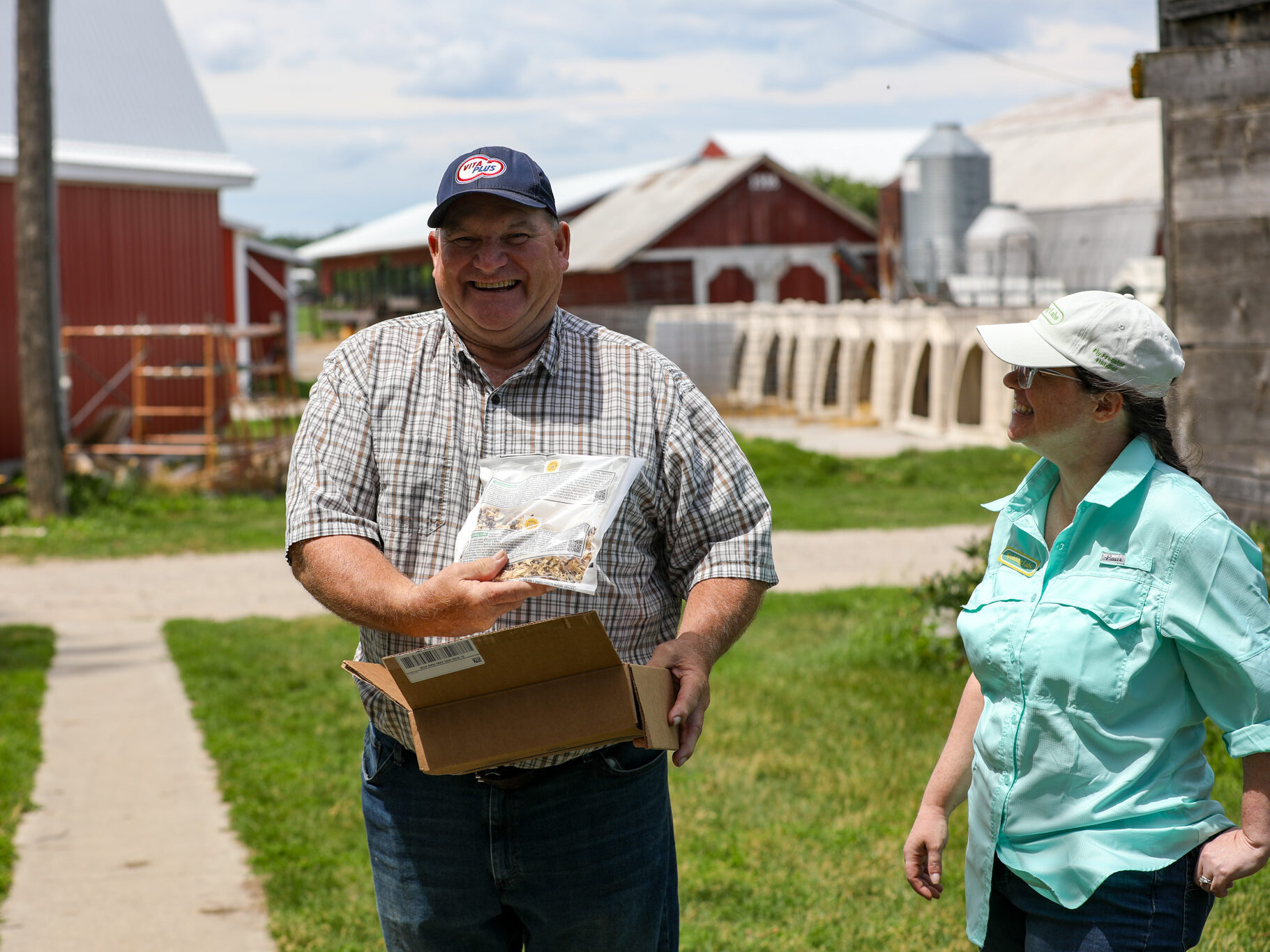
That’s why the Spalding Labs team packed our bags and headed to Frankenmuth, Michigan, to visit Weiss Centennial Farm—a longtime Fly Predators® customer and working dairy farm that has incorporated biological fly control into its operation for more than 15 years.
Our social team made the trip alongside members of the Spalding Labs entomology team with a simple goal: see what success looks like firsthand. We wanted to understand how a farm that has relied on Fly Predators year after year incorporates them into its operation and what we could learn from the people doing it every day.
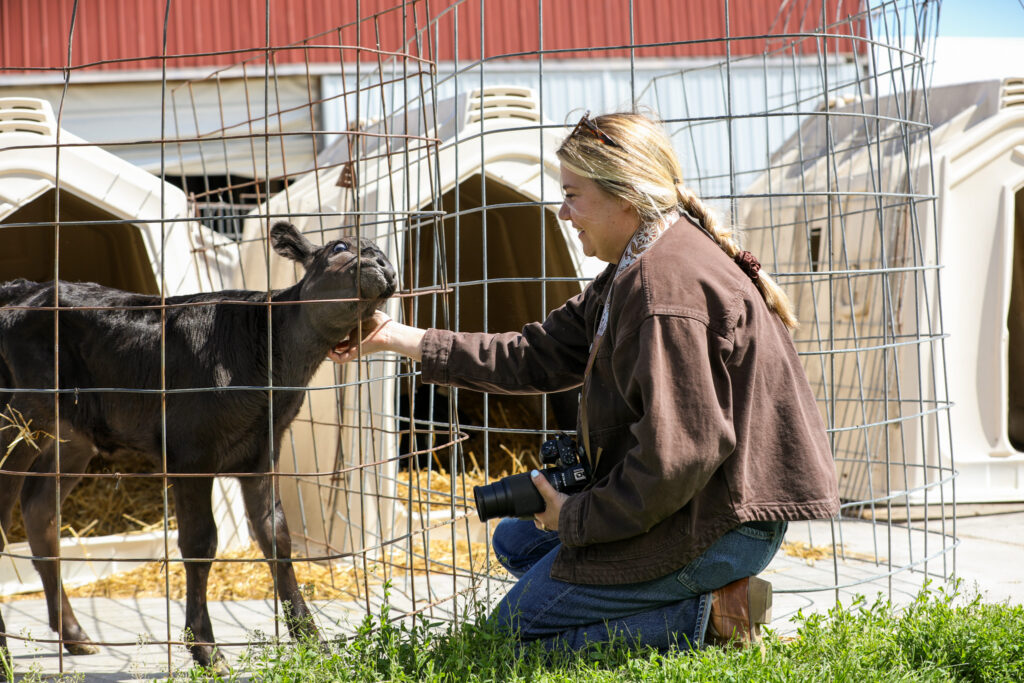
After flying into Detroit, arriving late and getting up early the next morning, we made our way to Frankenmuth, a Michigan town known for its strong German heritage.
We were graciously welcomed to Weiss Centennial Farm, where it quickly became clear that this wasn’t just a working dairy it was a family operation continuing to evolve.
Throughout the year, the farm welcomes visitors for farm tours and hosts a corn maze in the fall. They’re also working on their next venture: a creamery that will allow them to offer milk directly to consumers, with plans for 12 different flavors.
And, in true Frankenmuth fashion, our visit even included homemade Bavarian pretzels.
But as memorable as the welcome was, one of our biggest takeaways happened almost immediately after stepping out of the vehicle.
We were surrounded by more than 60 dairy cows and there were remarkably few flies.
When you spend time around livestock, especially dairy cattle, you expect to see flies. You expect tails swishing, animals reacting to pests and flies gathering around the cows themselves.
Instead, we saw calm cows.
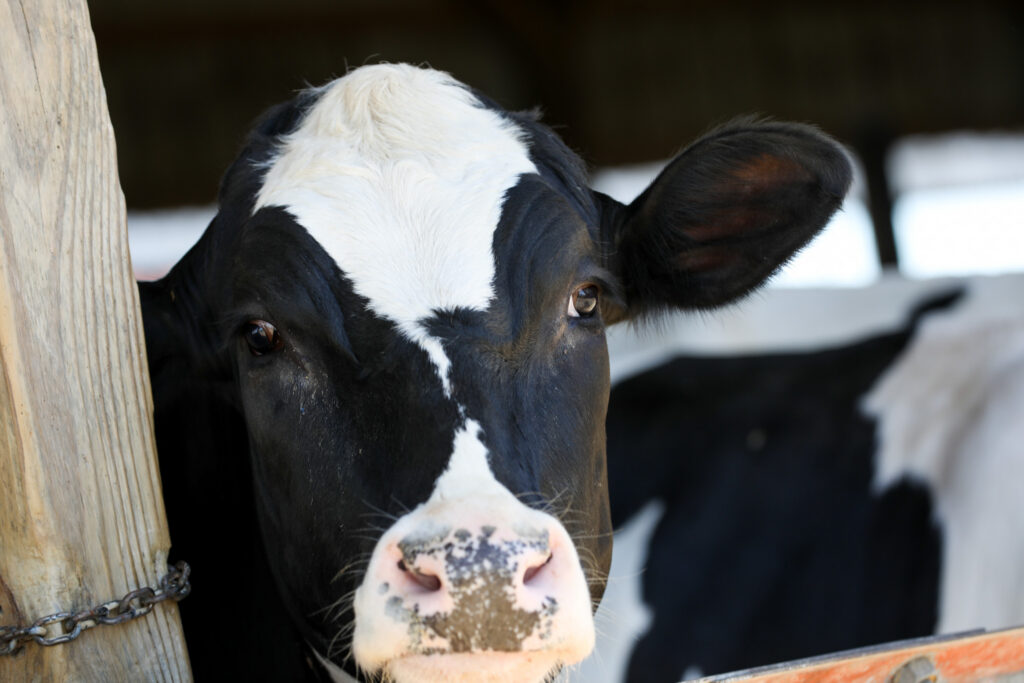
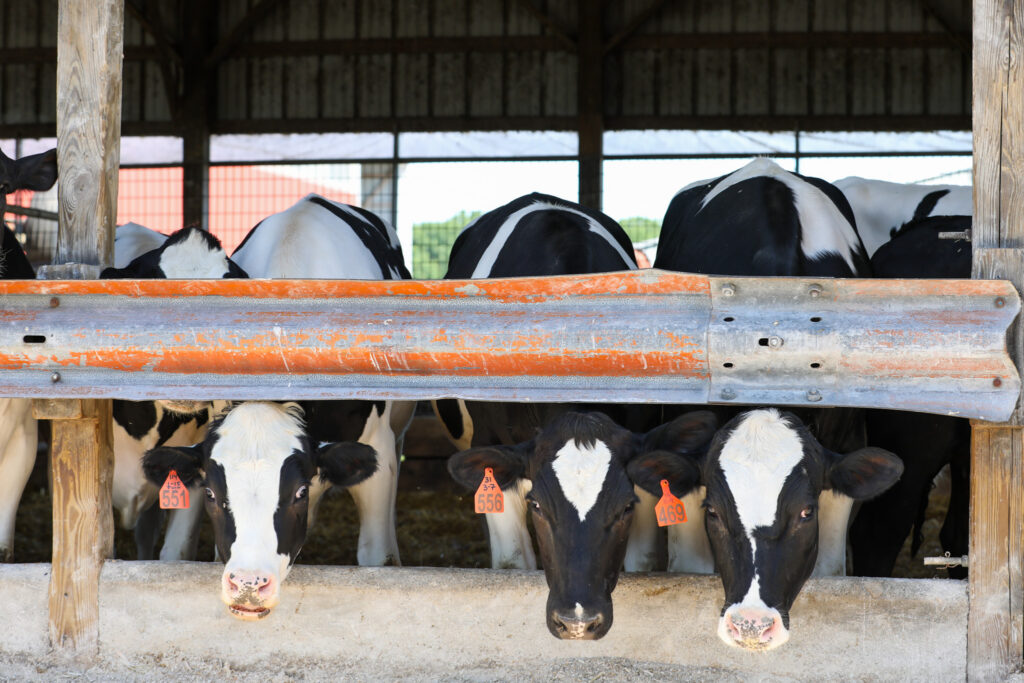
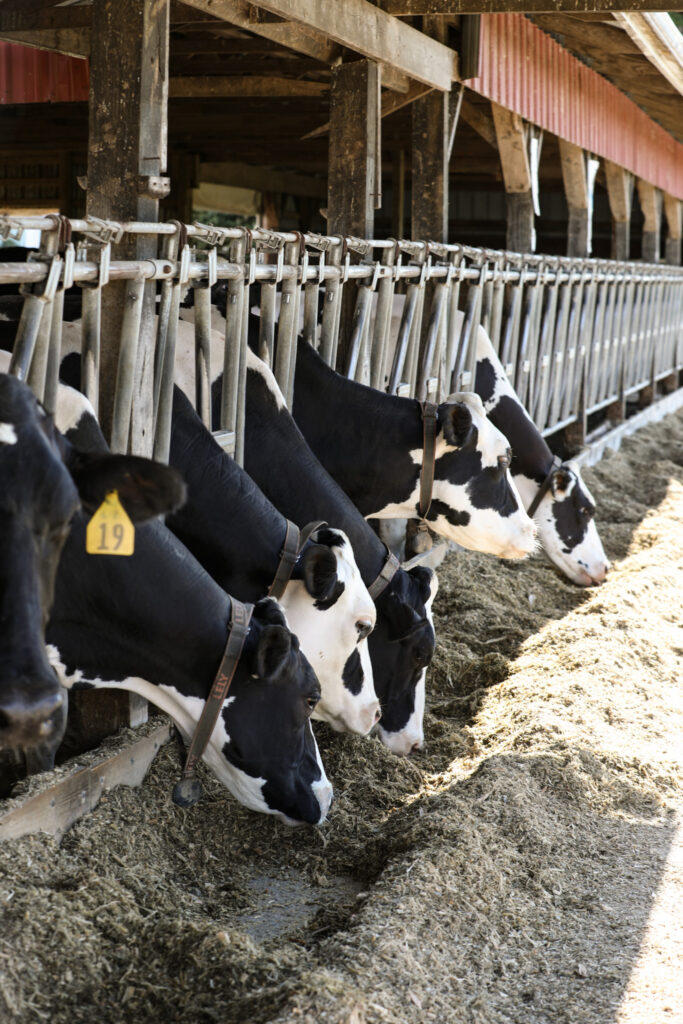
Even as we moved closer and began looking specifically for fly activity, there simply wasn’t much to find. For a farm that had been using Fly Predators for 15 years, it was an opportunity to see what consistent, long-term biological fly control could look like in a real-world operation.
Just as impressive was listening to the Weiss Centennial Farm team talk about Fly Predators with our entomologist. After 15 years, they had become experts in their own right. They understood the program, knew how it fit into their operation and spoke about it with the familiarity you’d expect from someone on our own team.
For us, that level of trust and knowledge was exciting to see.
Fly control wasn’t the only thing that caught our attention.
Weiss Centennial Farm also uses a robotic milking system, giving the cows more freedom over when they choose to be milked while providing the farm with detailed data on individual animals multiple times throughout the day.
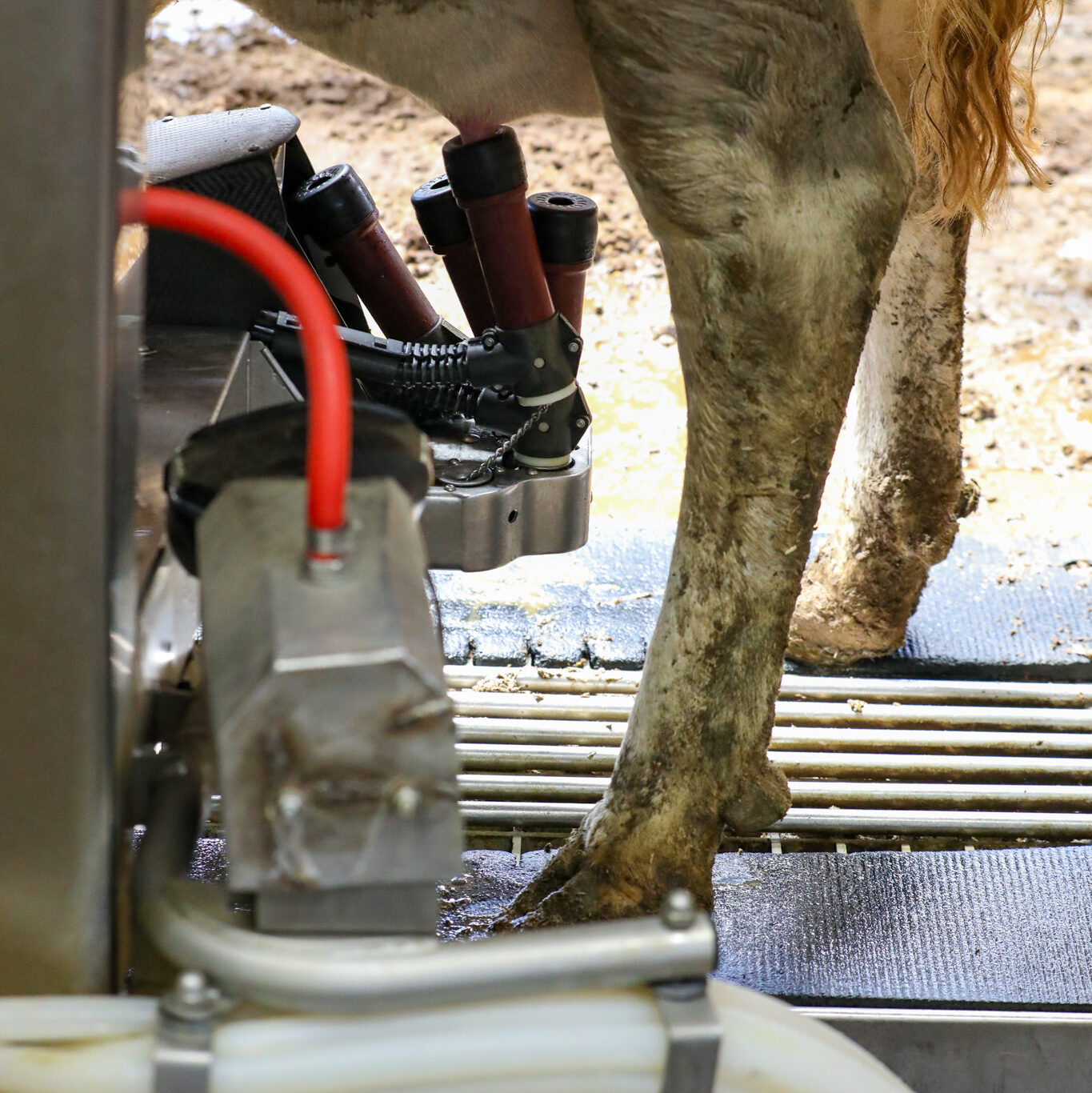
That technology has also created an interesting dynamic between the cows and people.
Because the cows aren’t routinely being gathered and moved by people to be milked, they have the freedom to move through their routine more independently. Their interactions with people are often associated with positive things like food and attention.
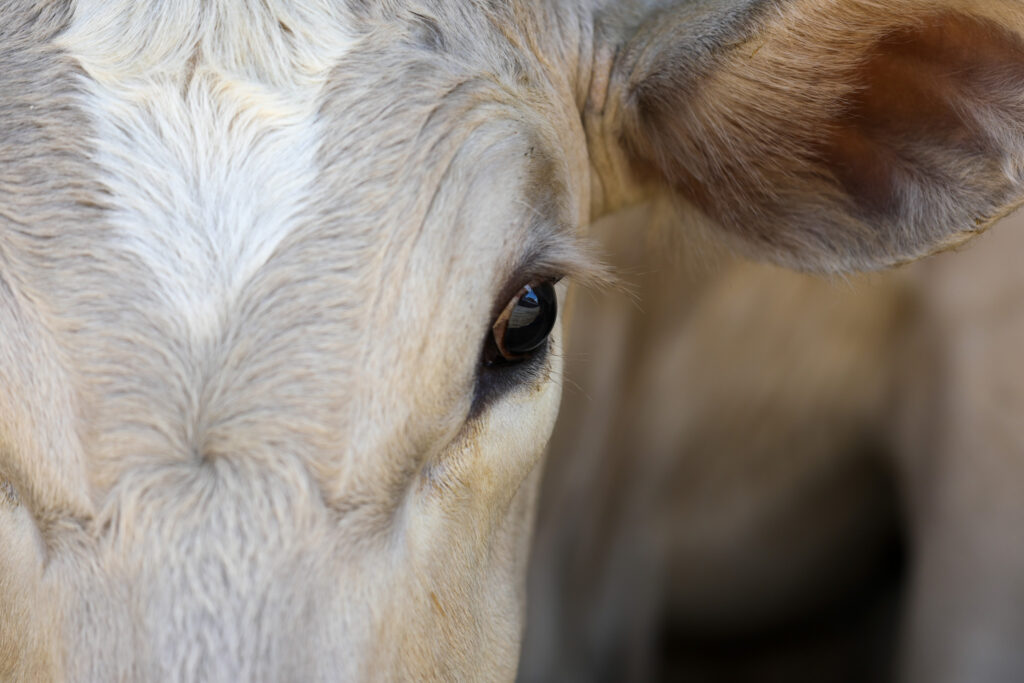
The result? Some incredibly curious and friendly cows.
Walking among them, we were struck by how comfortable they were around us. Between the robotic milking system, the low fly pressure and the overall management of the herd, there was a sense of calm throughout the dairy.
Our visit reinforced something we’ve always believed at Spalding Labs: effective fly control isn’t simply about seeing fewer flies.
It’s about what fewer flies can mean for the animals and the people caring for them.
When cattle aren’t constantly reacting to flies, there’s less stomping, tail swishing and other fly-avoidance behavior. For dairy operations, fly pressure can also become an economic consideration. Keeping cattle comfortable and reducing the stress and disruption associated with flies can be an important part of overall herd management.
At Weiss Centennial Farm, we saw cows that appeared calm and comfortable and a family that had made Fly Predators a consistent part of its operation for 15 years.
And consistency may have been the biggest lesson of the entire trip.
Fly Predators aren’t about waiting until flies become overwhelming and looking for a quick fix. Biological fly control works by helping interrupt the fly life cycle before adult flies emerge. Staying ahead of the problem and maintaining a consistent program throughout the season is what helps create the kind of environment we had the opportunity to experience in Michigan.
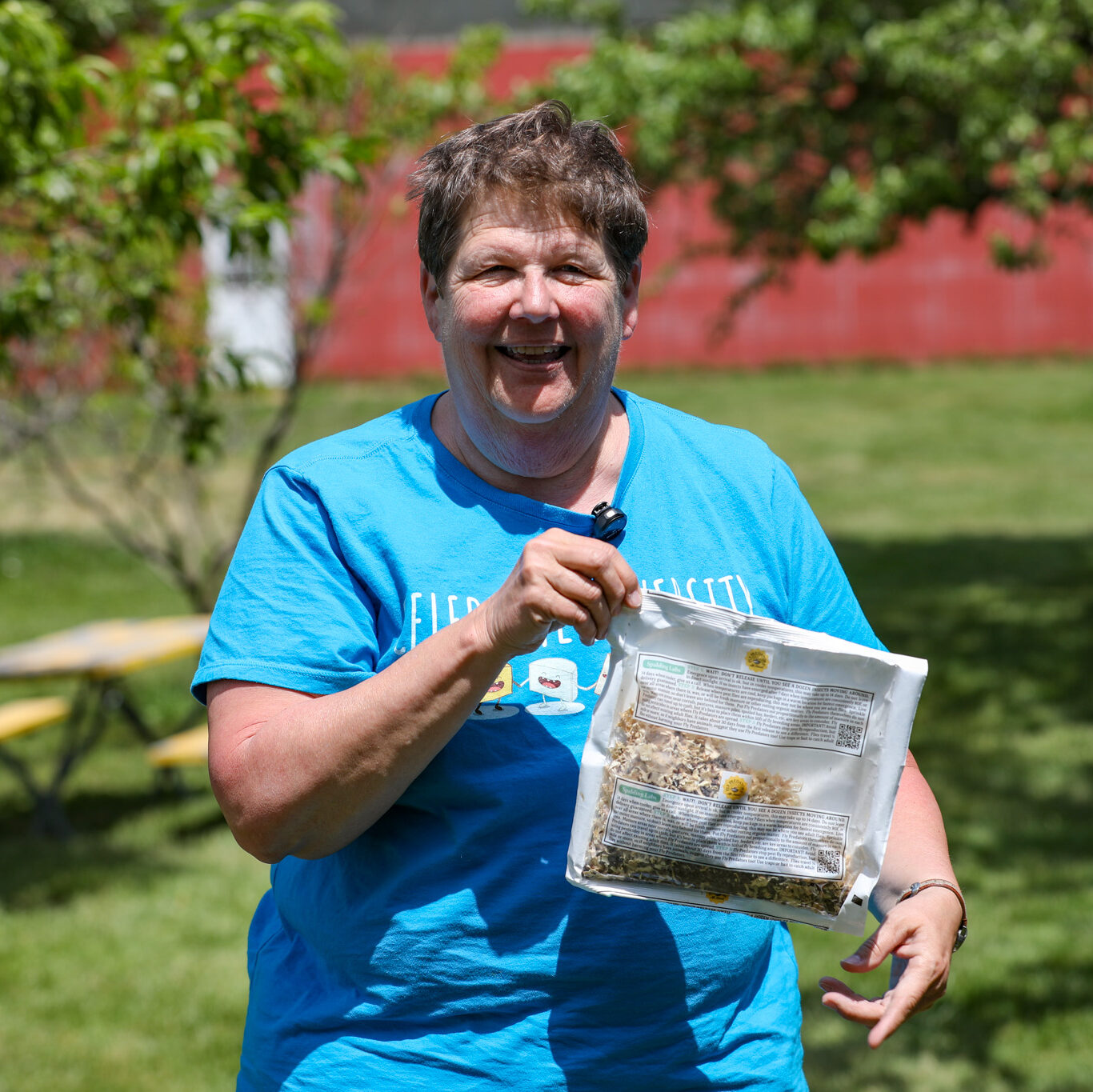
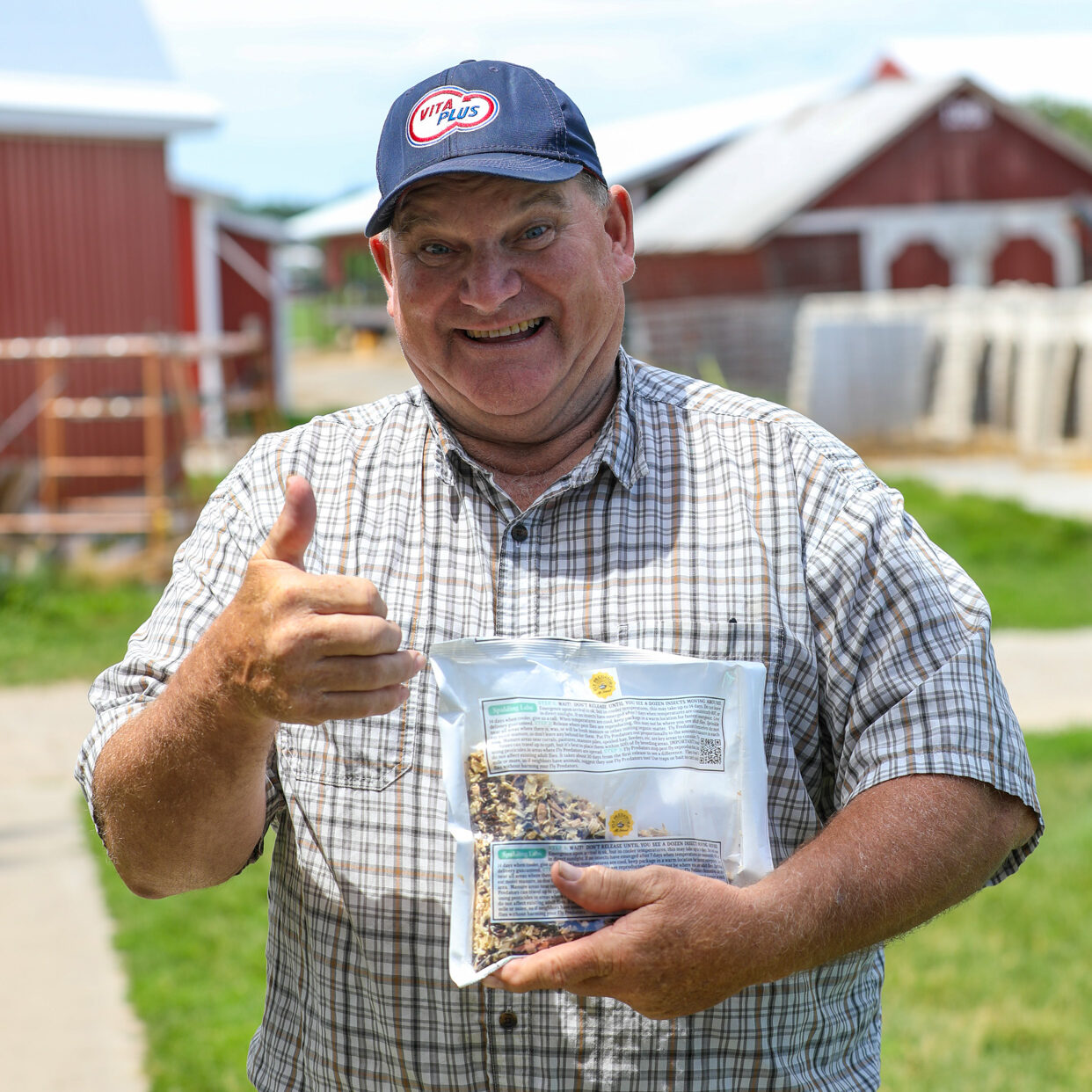
We finished our farm tour the best way possible: sitting down and sharing a meal together.
After spending the day talking about cows, technology, farming and, of course, flies, it felt like an appropriate ending to a trip that was ultimately about more than a product.
We went to Weiss Centennial Farm because they had been a Spalding Labs customer for 15 years. We left with an even greater appreciation for what those 15 years represented.
It was a chance to see a longtime customer who had made Fly Predators part of the rhythm of their farm, to watch our entomologists exchange knowledge with people who had become Fly Predator experts themselves, and to stand among more than 60 dairy cows and realize just how few flies we could find.
Sometimes the best way to understand what long-term fly control can look like is to get out of the office, head to the farm and see it for yourself.
Here’s to fewer flies, happier animals and the farmers who make it all possible.