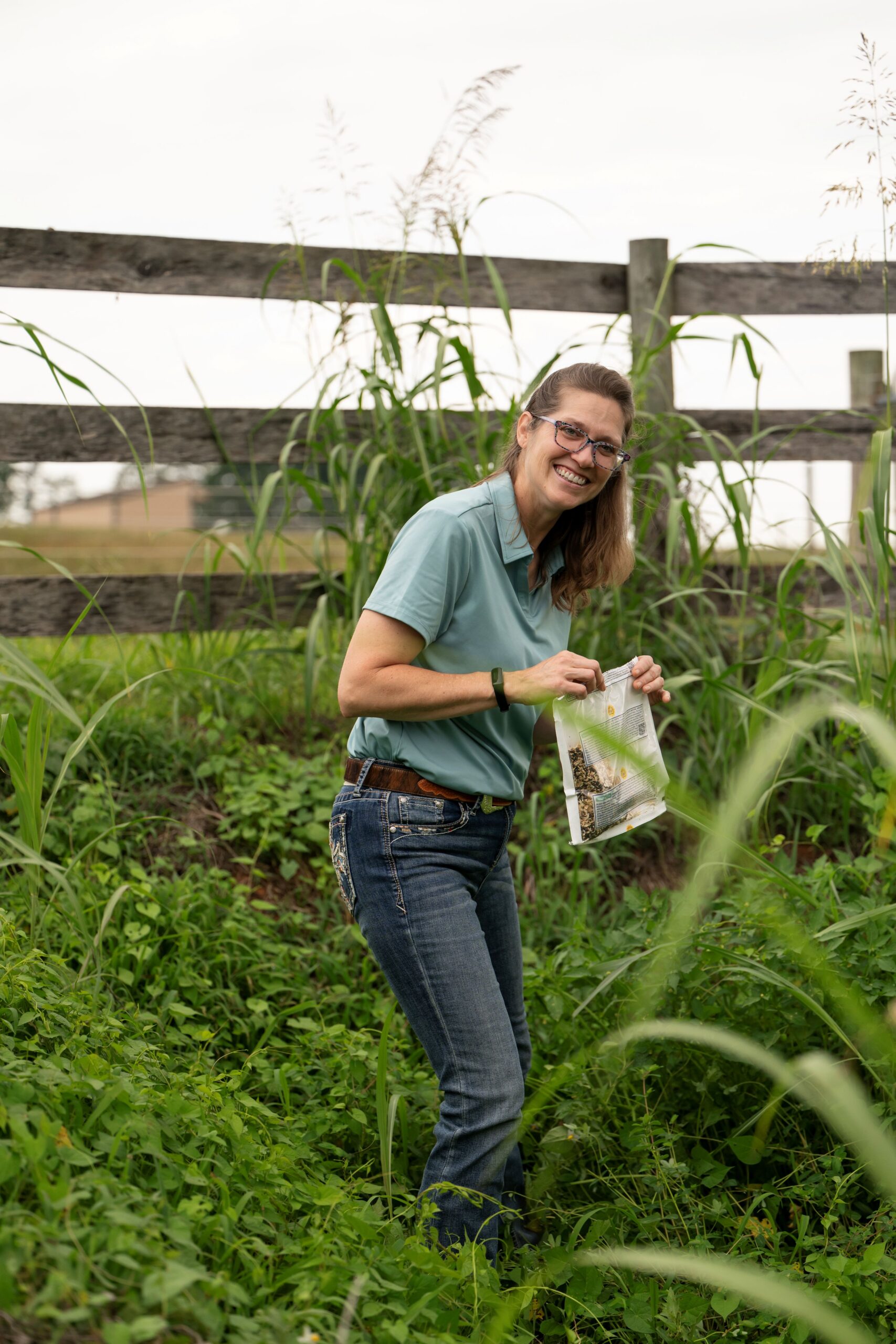
We're Here to Help
When Flies
Breed Faster
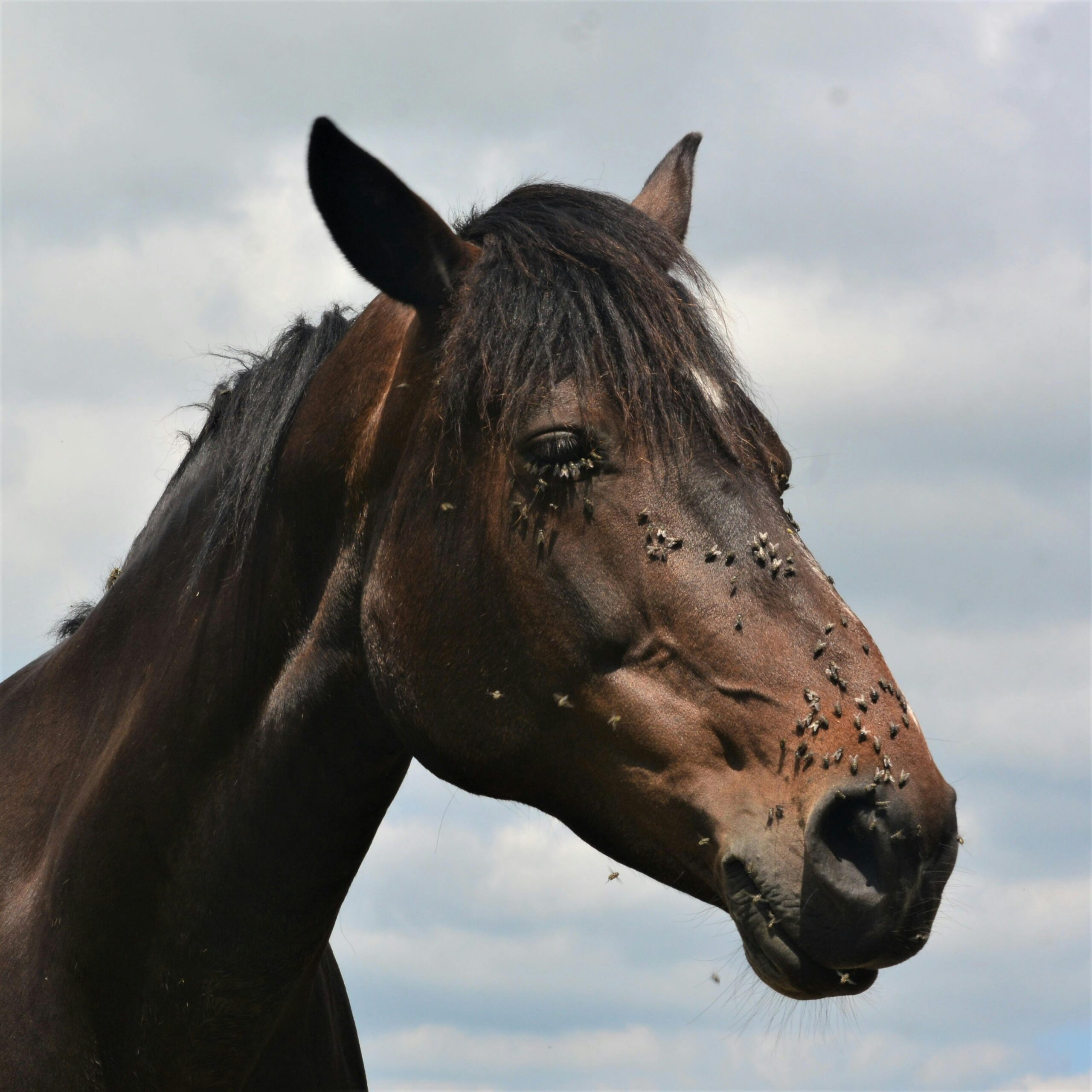
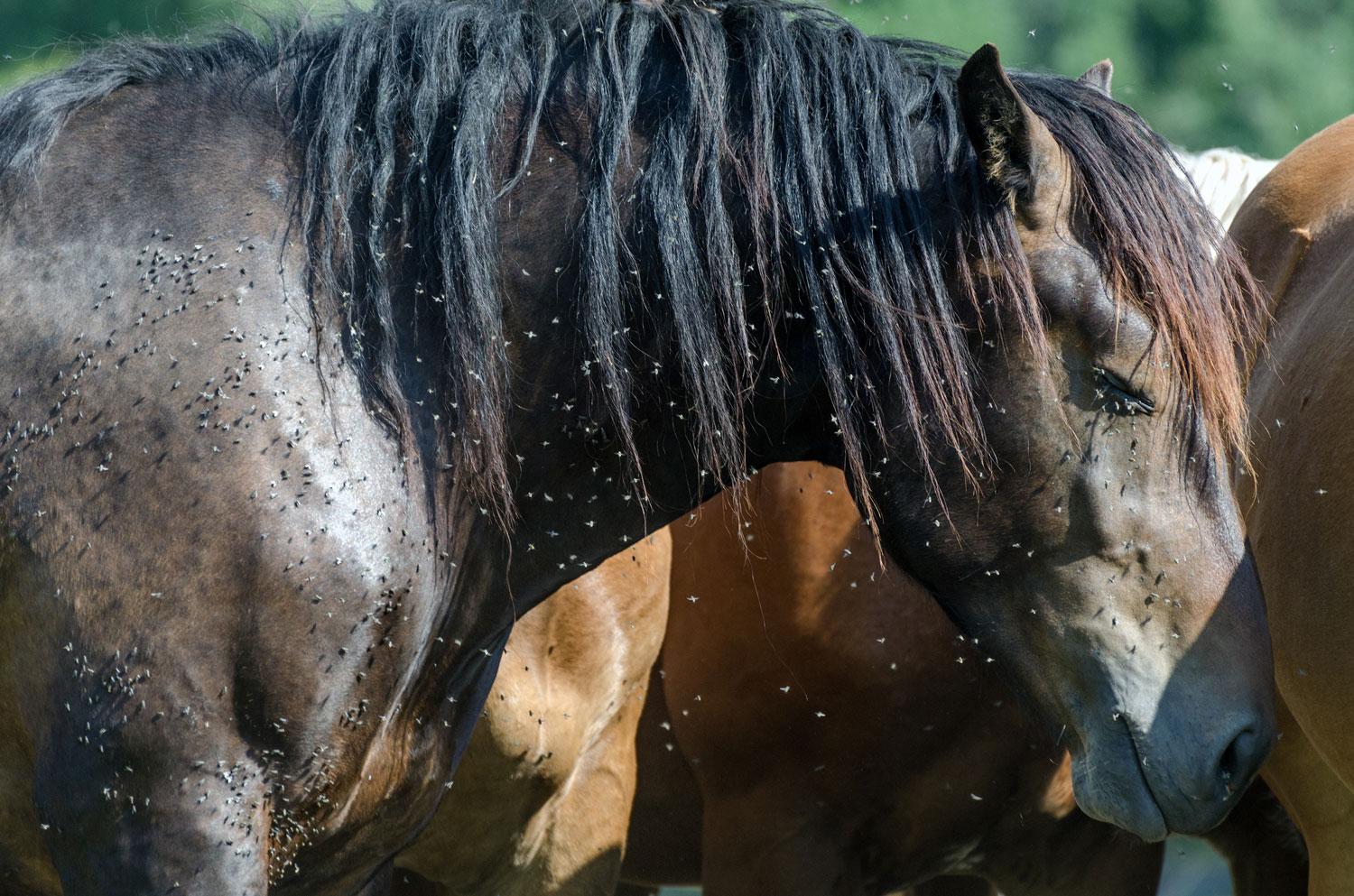
Warm, wet weather can multiply the flies on your property in a matter of days. Here’s how to tell whether it’s happening to you — and what to do about it.
Look for
- Recent rain
- Warm temps
- Damp bedding
- Standing water
- More flies than usual
Check This Before You Call
Take a look around your property and see if you notice any of the following:
- It’s rained recently, and warm temps haven’t let up.
- Bedding or manure isn’t drying out between cleanings.
- You’re seeing more flies than usual for this point in the season.
- There’s standing water somewhere it wasn’t before.
Two or more? Keep reading below — you might need some extra help with fly control. One or none? Additional help probably isn’t necessary right now, but keep reading just in case.
5.2 days
Egg to pupa at 95°F — down from 26.8 days at 61°F.
<9 days
The full trip from egg to adult fly — down from 43 days.
5× faster
Nearly five times faster for each new generation of flies to arrive.
Source: Cambridge study on fly development rates
Your Flies are Breeding Faster.A LOT Faster.
A Cambridge study found flies go from egg to pupa in 26.8 days at 61°F, but just 5.2 days at 95°F. The full trip from egg to adult fly drops from 43 days to less than 9. Warmer weather doesn’t just mean more flies. It means each generation arrives nearly 5 times faster.
When flies develop nearly 5x faster, more of them reach the pupal stage at once — the exact stage where Fly Predators work. Your regular shipment is sized for a typical fly breeding rate, not this one.
How to Stay Ahead of Flies
01
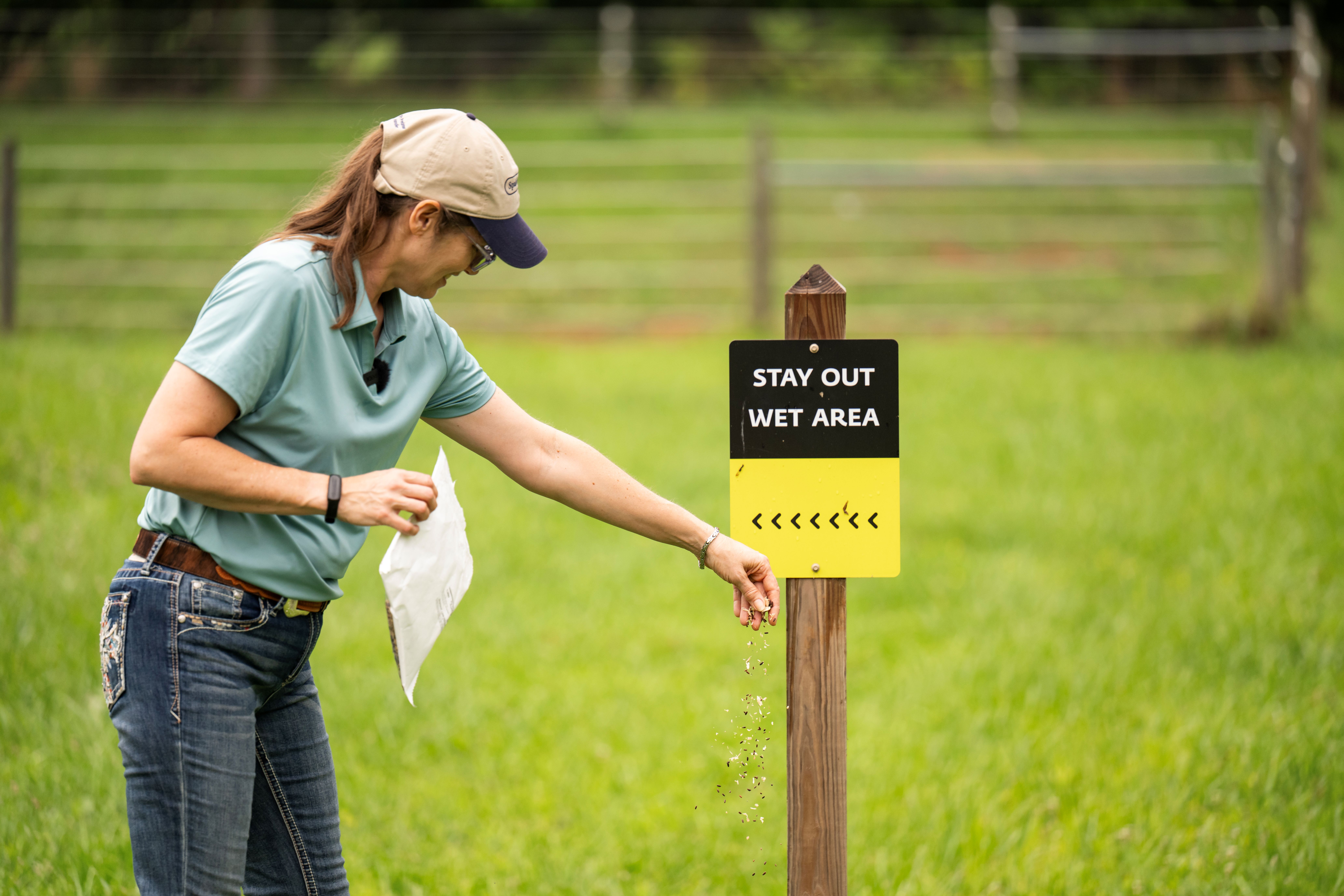
Fly Predators are parasitoid wasps — they lay eggs directly inside fly pupae, and the developing wasp consumes the fly before it can hatch.
02
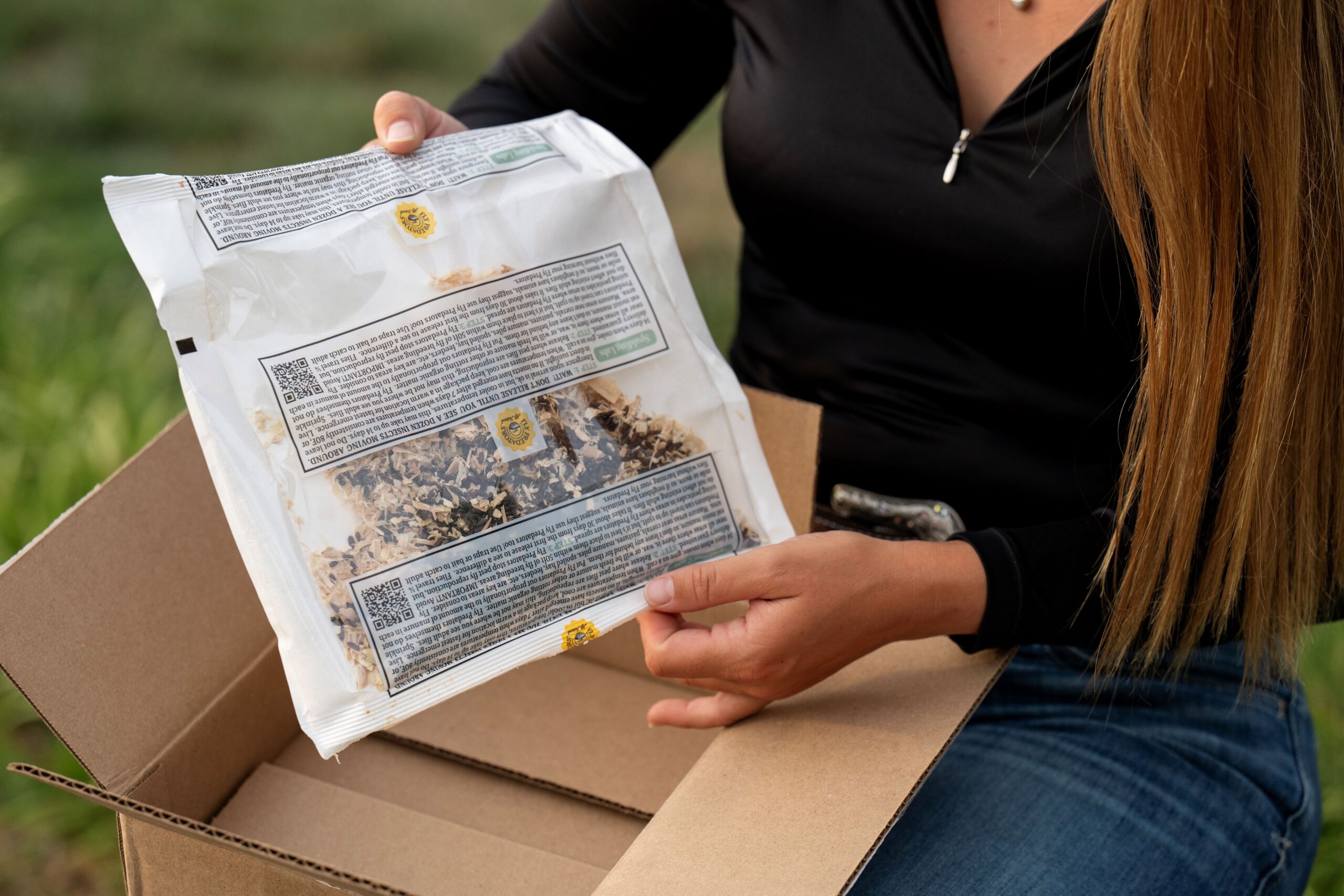
They breed slower than flies, which is why we send you a shipment of bugs every few weeks.
03
An extra shipment of Fly Predators during warm, wet weather makes sure there are enough beneficial insects to keep up the pace when your property is producing more flies than usual.
Not Sure What You Need?
Contact our team and we’ll check your property’s conditions before recommending anything. We believe in fly control that works as hard as you do, and we’ll help assess whether an extra shipment would be helpful for your farm — or not.
No obligations. No nonsense.