
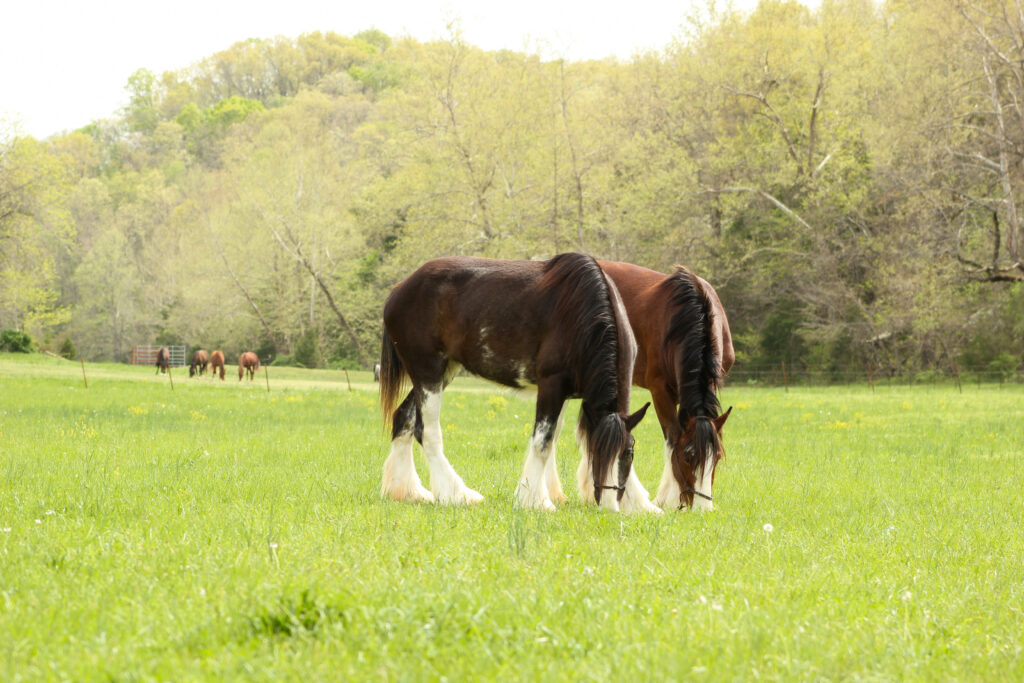
Every experienced animal owner knows the feeling. Sometime around late spring the barn shifts — horses start stomping, cattle grow restless at the feed bunk, chickens cluster in corners, and suddenly every chore comes with an uninvited audience of flies.
What most people don’t realize is that fly season isn’t something that just happens to them. It’s something that develops quietly over weeks, in the manure, wet bedding, and damp soil around their property — long before a single fly is visible. And the window to interrupt that development, before populations build and the season becomes a battle, is open right now.
This guide walks through exactly what to do on a farm or animal property in early spring to reduce fly pressure before it starts — from the specific areas that produce the most flies to the management practices and biological controls that make the biggest difference. Whether you’re managing a horse barn, a dairy operation, a backyard flock, or a mixed homestead, the principles are the same and the timing is equally important.
Fly control is one of the few farm management challenges where timing matters more than effort. An animal owner who starts early and does moderate work will consistently outperform one who waits until flies are visible and works twice as hard.
Here’s why. Most common fly species — including house flies and stable flies, the two most problematic for livestock and horse properties — can complete their development from egg to adult in as little as 10 days during warm weather. A single female house fly can lay up to 900 eggs in her lifetime. Once that first generation hatches and begins reproducing, populations compound rapidly.
The key threshold to understand is 60 degrees Fahrenheit. When daytime temperatures begin consistently reaching 60°F, fly development accelerates meaningfully. In most regions this occurs sometime between late February and early April depending on location. The animal owners who have the most manageable fly seasons are the ones who have their control measures in place before that threshold is consistently crossed — not after.
Waiting until flies are visible means you’re already behind by at least one full generation, and likely more. The first flies you see aren’t the beginning of the problem. They’re the evidence of a problem that’s been developing for weeks.
💡 KEY INSIGHT: The horse owners, dairy farmers, and homesteaders who have the most manageable fly seasons aren’t doing more than everyone else — they’re starting earlier. The 60°F threshold is your trigger. Be ready before you cross it.
Effective fly control starts with understanding where flies actually develop on your specific property. Flies aren’t everywhere — they’re concentrated in specific environments that offer the moisture and organic material their eggs need to develop.
The details look different depending on what animals you’re caring for, but the principle is universal: anywhere moist organic material accumulates is a potential fly breeding site.
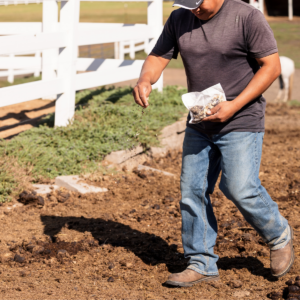
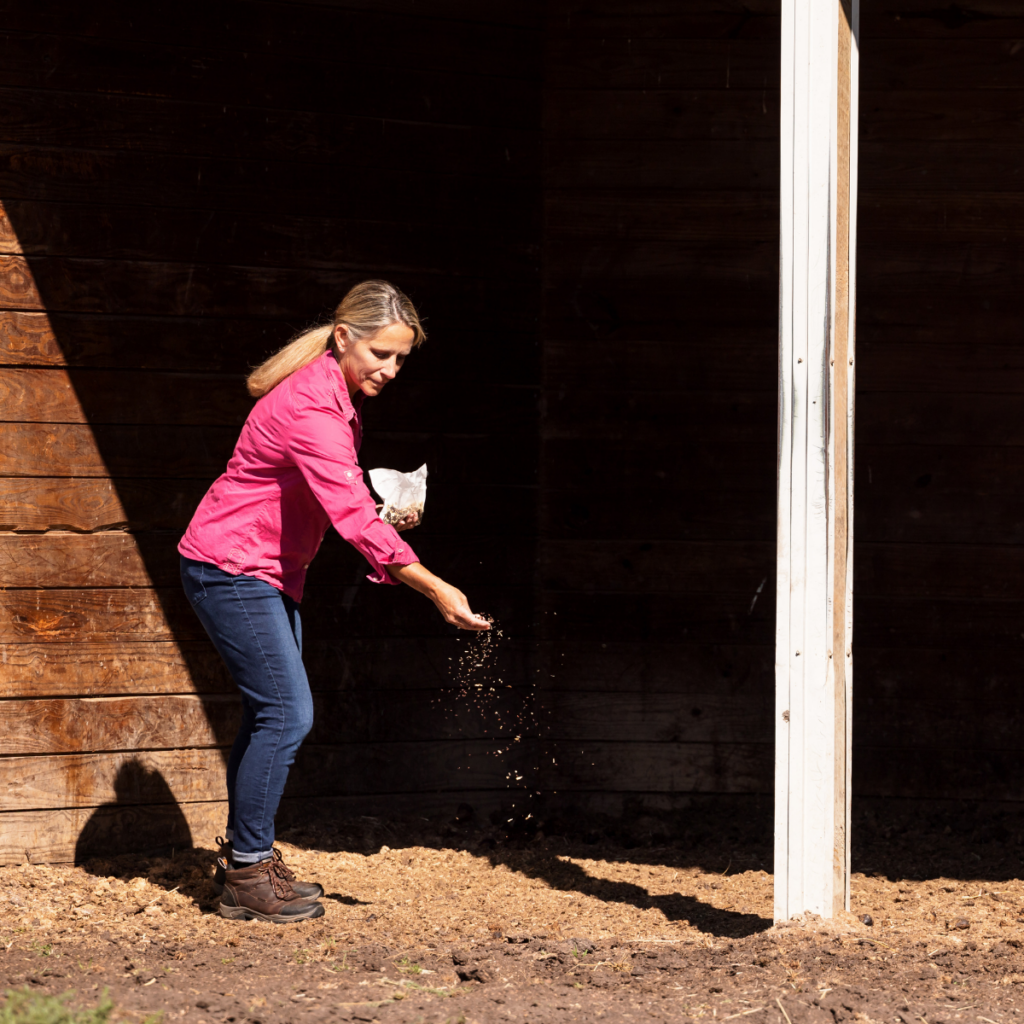
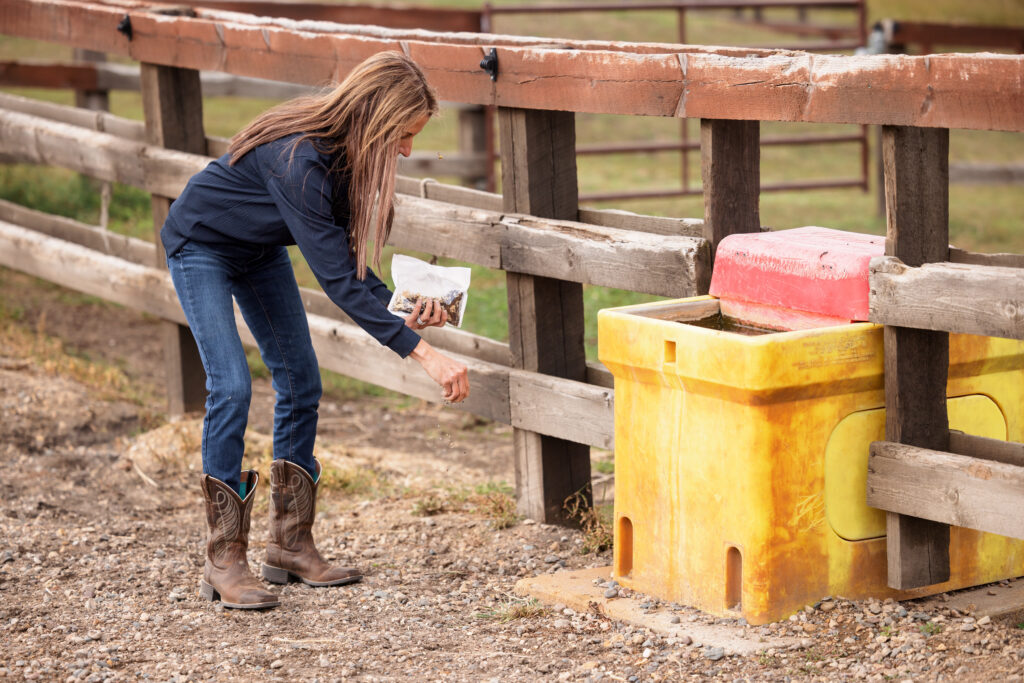
The highest-risk areas are manure in stalls and paddocks, wet bedding, hay waste around round bale feeders, muddy areas near water troughs, and foaling stalls or any area where horses spend concentrated time.
Even small accumulations along fence lines or behind round bale feeders can produce thousands of flies once warm weather arrives. Winter manure buildup in dry lots and along fence lines is often the single most impactful cleanup project of the early spring season.
The highest-risk areas are feed bunks where wet feed accumulates, calf hutch bedding, manure in holding areas and alleys, the area around water sources, and any bedded pack that stays consistently moist.
Fly pressure in dairy environments directly affects herd behavior, animal stress, and can impact milk production — making early management particularly important for dairy farmers. The area around calf hutches often receives less consistent attention than milking and holding areas but can be a significant fly development zone.
The highest-risk areas are chicken coops and the ground immediately around them, goat and sheep bedding areas, rabbit hutches, compost piles, and any low spot where animal waste and moisture combine.
Even small properties with just a few animals can develop significant fly pressure from surprisingly localized breeding sites. Poultry operations in particular — even backyard flocks — produce concentrated organic material in a small area that can support disproportionately large fly populations relative to property size.
Before investing time in cleanup, walk your property with fresh eyes and identify the specific areas contributing most to fly development. This audit takes 30 to 45 minutes on most properties and gives you a prioritized list of areas to address before consistent warm weather arrives.
💡 KEY INSIGHT: A 30-minute walk around your property in early spring is one of the highest-return investments you can make in your fly season. Knowing exactly where flies are breeding on your specific property lets you focus effort where it matters most.
Cultural control means managing your environment to eliminate or reduce the conditions flies need to breed. It’s the foundation of any effective fly control program regardless of the animals you’re caring for, and it’s where early spring effort pays the most dividends.
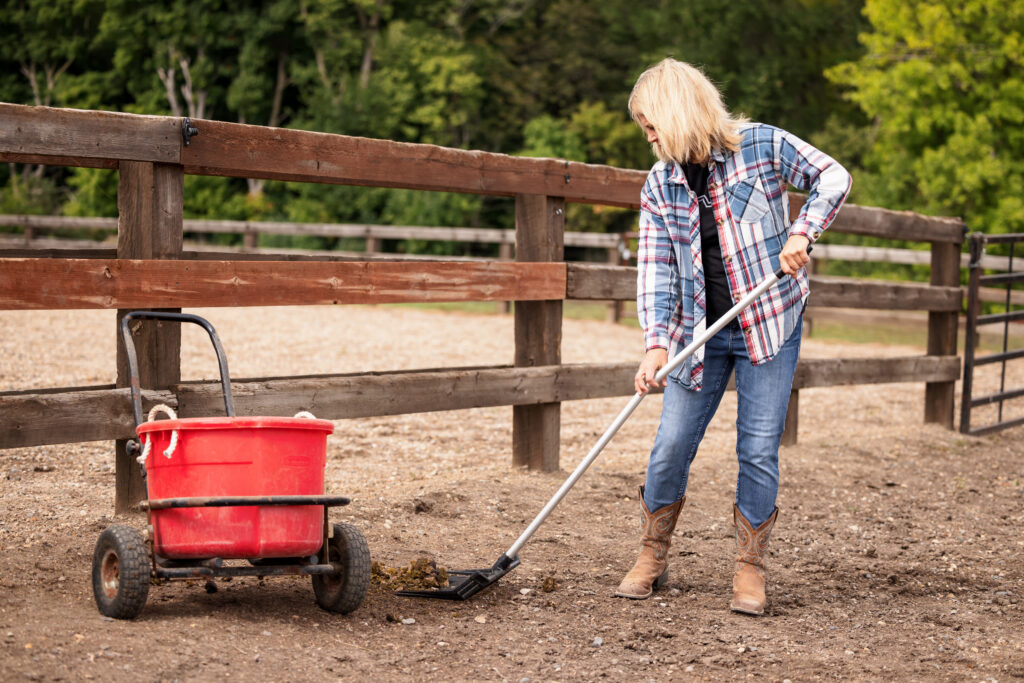
Manure management has the highest single impact on fly populations of any cultural control practice across all property types. The specifics vary by operation, but the principle is universal: removing or actively managing accumulated manure before daytime temperatures consistently reach 60°F dramatically reduces early season fly populations.
Paddock picking in dry lots and small turnout areas makes a compounding difference over the season. Removing winter accumulation from fence lines and out-of-the-way areas is worth prioritizing in early spring.
Addressing the areas around feed bunks and calf hutches deserves as much attention as main manure management areas. These spots often receive less consistent attention but can be significant fly development zones.
The chicken coop and its immediate surroundings deserve particular attention. Poultry operations produce concentrated organic material in a small area that supports disproportionately large fly populations.
Dry bedding supports significantly less fly development than moist bedding regardless of how frequently it is changed. Deep-cleaning stalls, hutches, calf bedding areas, and any enclosed animal space in early spring — addressing base layers and drainage issues before fly season — is worth the investment in labor.
Focus on reducing moisture as much as volume. A dry stall with less bedding outperforms a damp stall with more when it comes to fly development.
Standing water and persistently muddy areas accelerate fly development all season regardless of other management practices. Adding gravel to high-traffic muddy areas, improving grading around barn entrances, and redirecting downspouts away from animal areas are practical improvements that pay for themselves quickly in reduced fly pressure.
Inspect low spots in paddocks, areas around automatic waterers, gutters and downspouts near barn entrances, and mud buildup around gates. Early spring — before heavy rain season in most regions — is the ideal time to address these.
Removing hay waste from around feeders, cleaning grain and feed spills promptly, and managing moisture around stored forage addresses a breeding source that is easy to overlook and surprisingly productive. On horse properties pay particular attention to round bale feeder areas and hay storage. On dairy operations focus on the areas immediately around feed bunks where wet total mixed ration accumulates.
Cultural control reduces the breeding environment but rarely eliminates it entirely on a working farm. This is where biological fly control fits naturally into a comprehensive program.
Fly Predators® are tiny beneficial insects — naturally occurring in farm environments — that target fly pupae before they hatch into adult flies. They are harmless to horses, livestock, poultry, pets, and humans, do not sting or bite, and are active only in the moist organic environments where flies breed. Your animals will not notice them.
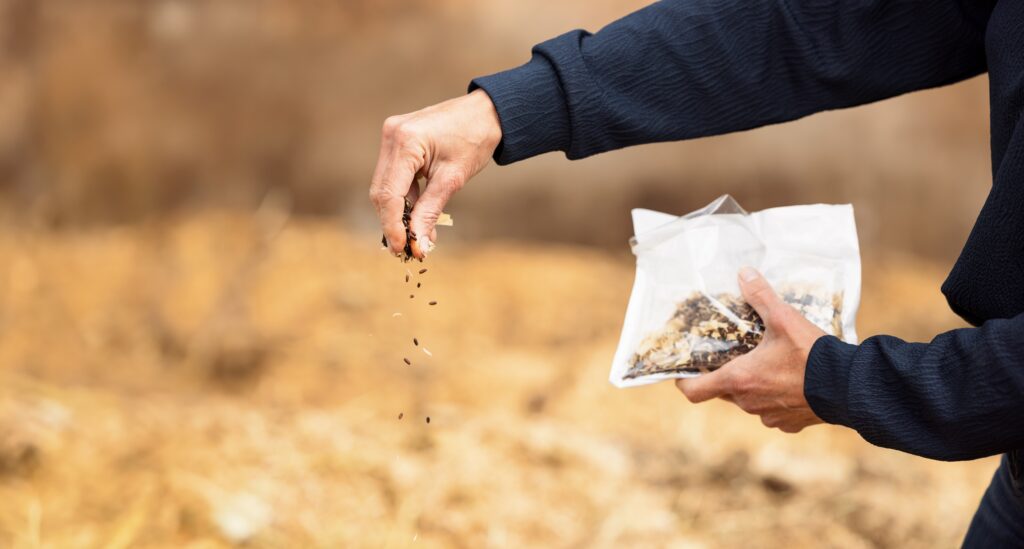
Their role in a fly control program is specific and important. Most fly control products — sprays, traps, baits — target adult flies, the ones already visible and already reproducing. Fly Predators work one stage earlier in the life cycle, attacking pupae before they emerge. This interrupts breeding at the source rather than managing the population after it has already developed.
💡 KEY INSIGHT: Fly Predators don’t replace every tool in your fly control plan — they address the stage of the fly life cycle that nothing else targets. Used consistently alongside good cultural control practices, they help reduce the population that builds all season rather than just managing the adults already present.
Fly Predators are effective across a wide range of farm environments — horse properties, dairy operations, poultry farms, hobby farms, and anywhere decomposing organic material provides fly breeding habitat. The same biology that makes them effective in a horse barn makes them effective in a dairy calf barn, a chicken coop, or a mixed homestead.
For best results, Fly Predators should be established before fly season fully develops — beginning releases when daytime temperatures start consistently reaching 60°F. Starting early means the beneficial insect population is building alongside developing fly pressure rather than catching up to a population that has already established.
The 60-degree threshold is the key indicator, but what that means in calendar terms varies significantly by region. Use the table below as a general guide — and call our team if you want a timing recommendation specific to your zip code and property conditions.
| Region | When to Start |
|---|---|
| Southeast & Gulf Coast | Begin late February — cleanup by mid-February |
| Mid-Atlantic, Midwest & Pacific Coast | Begin March — cleanup underway in February |
| Northern States, Mountain West & High Elevations | Begin April–May — but start cleanup before full thaw |
If you are uncertain about the right timing for your specific location and operation, a brief conversation with a fly control specialist can give you a personalized recommendation based on your region, your animals, and your property conditions.
The most effective time to begin active fly control measures is before daytime temperatures consistently reach 60°F in your region, which is when fly development accelerates significantly. For most animal owners this means completing spring cleanup in late winter and beginning biological control releases in early spring — often well before flies are visibly present.
Manure management has the highest single impact on fly populations of any cultural control practice across all property types. Regular removal or active management of manure — from paddocks, stalls, holding areas, calf hutches, poultry areas, and anywhere else it accumulates — reduces the primary breeding source and compounds positively throughout the season.
Yes. Fly Predators are effective anywhere flies breed, which means anywhere decomposing organic material is present. Spalding Labs customers include horse farms, dairy operations, poultry farms, hobby farms, mixed homesteads, veterinary clinics, and exotic animal facilities. The custom scheduling system accounts for the specific animals, property size, and environmental conditions of each operation to ensure the right quantities arrive at the right time.
Yes. Fly Predators are completely harmless to all animals and humans. They do not sting, do not bite, and are active only in the moist organic material where flies breed. They have no interest in animals, people, crops, or structures.
Fly sprays and traps target adult flies — the ones already visible and already reproducing. Fly Predators work one stage earlier in the fly life cycle, targeting pupae before they hatch. This interrupts the breeding cycle at its source rather than managing the population after it has already developed. The two approaches are complementary rather than competing — cultural control, biological control, and targeted adult fly management together produce better results than any single approach alone.
Yes, though starting before flies are visibly present produces better results. If fly season has already begun, Fly Predators can still be highly effective — particularly when combined with intensified cultural control to reduce existing breeding sites. A fly control specialist can recommend a catch-up approach for properties starting mid-season.
The right quantity depends on your location, the number and type of animals, your property size, and local environmental conditions. Spalding Labs uses a custom scheduling system that accounts for all of these factors to ensure the right quantities arrive at the right time throughout the season, automatically.
Every farm and animal property is different, and the most effective fly control program is one built around your specific animals, acreage, and conditions — not a one-size-fits-all recommendation.
The entomologist-led team at Spalding Labs offers free fly control consultations for horse farms, dairy operations, hobby farms, and any property with animals. It is a practical conversation about your specific situation with people who have spent 50 years helping animal owners reduce flies naturally.
There is no obligation. Just clear, specific guidance on when to start, what to focus on, and how to build a fly control program that fits your farm and your animals.
📞 Questions: 1-888-880-1579
📦 Ready to order: 1-888-562-5696
A little preparation this spring can mean a significantly more comfortable season for your animals — and for you.