

Stable Flies (Stomoxys calcitrans): Still a Threat
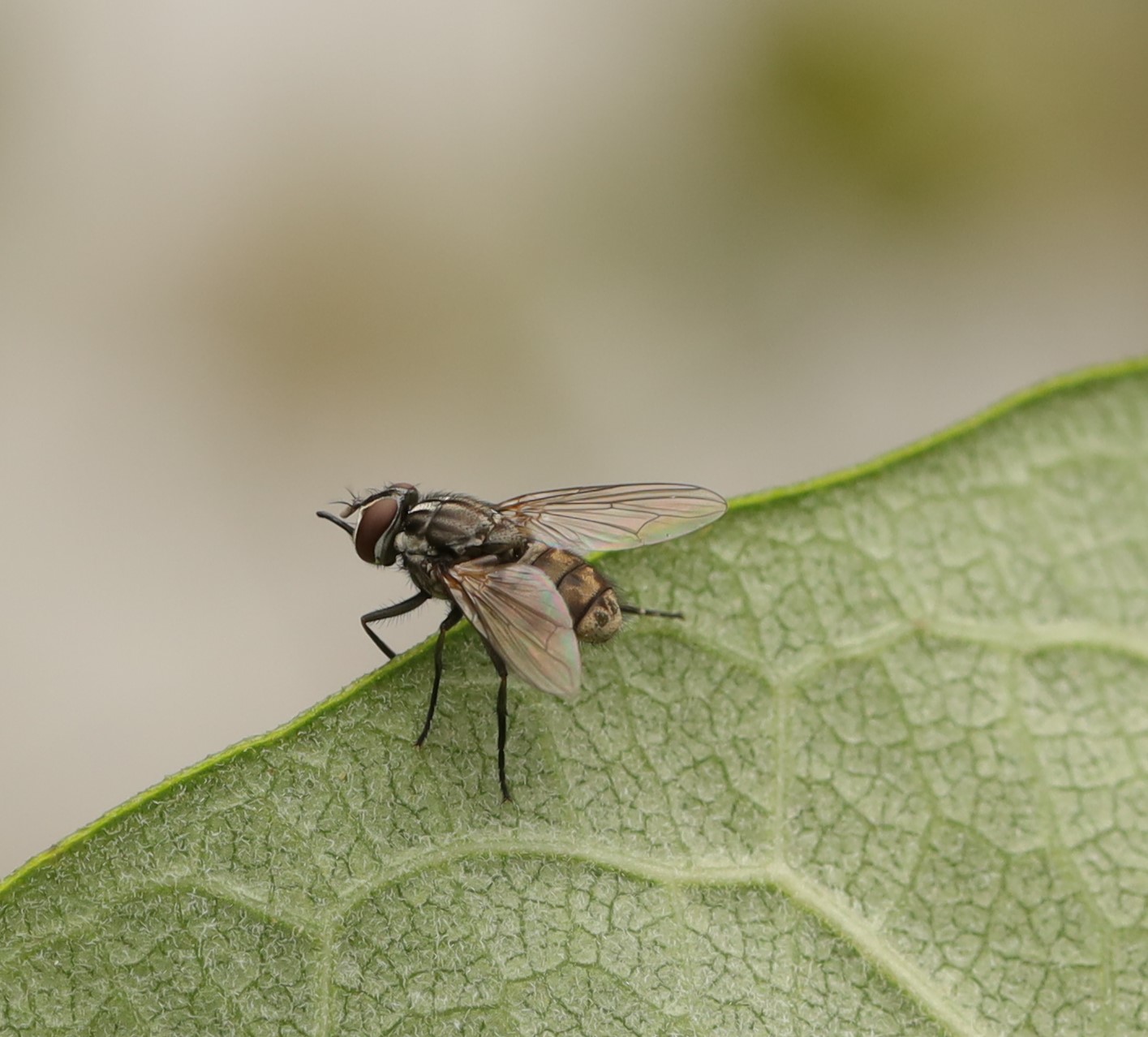
Although summer is winding down, biting stable flies remain very active through September in much of the U.S.—and into October in warmer regions. Known for their painful bites, these flies feed on livestock, pets, and humans, leading to stress, reduced feeding, and productivity losses.
Livestock exhibit defensive behaviors—bunching, tail switching, head tossing, foot stomping—that disrupt grazing and rest, incurring costs to performance and production yields for animal caretakers.
Prevention & control tips:
- Implement effective manure management habits year-round to keep fly populations down:
- Clean Regularly – Remove manure from stalls, pens, and paddocks at least 2–3 times a week. Less breeding ground = fewer flies.
- Pile Smart – If composting, keep manure in a single, covered pile that heats up. Spread-out piles or uncovered heaps are prime fly nurseries.
- Spread Thin – When conditions allow, spread composted manure thinly over fields. This dries it out faster and makes it less attractive to flies.
- Check Water Areas – Keep manure and wet bedding away from ponds, troughs, and drainage spots where flies thrive.
- Use Fly Predators early and repeat applications every 3-4 weeks to interrupt fly lifecycle naturally and reduce adult emergence. This reduces the number that overwinter and cause headaches next spring.
- Use effective traps, like the StarBar Bite Free Stable Fly Trap , to manage adult fly populations.

Cluster Flies (Pollenia rudis): An Indoor Nuisance
Beginning in September, cluster flies emerge seeking warm sheltered areas—often congregating on south- and west-facing exteriors before moving into barns, attics, and buildings. These sluggish flies don’t breed indoors but enter to overwinter, becoming a persistent nuisance.
How to prevent a cluster fly invasion:
- Seal early: Caulk cracks and gaps around windows, soffits, and entry points before mid-August to early September—the critical window to block cluster fly entry.
- Apply perimeter treatments if needed: Targeted residual insecticide sprays (pyrethroids) can supplement physical exclusion.
- Use light traps indoors: These are safe for occupied areas, especially in attics or barn offices where cluster flies may accumulate.
What’s Active Now & What to Do
| Timeframe | Fly Type | Action Step |
| July – September | Stable Flies | Continue Fly Predator cycles, practice effective manure management, and use appropriate traps |
| September–October | Cluster Flies | Seal buildings; use light traps indoors and perimeter protection |
Best Practices Going into Fall
- Sustain effective manure management and Fly Predator releases through the end of fly breeding season to stay ahead of biting flies. Good manure habits + Fly Predators now mean a lot fewer flies to battle next year.
- Set up building exclusion early by sealing cracks and gaps—before cluster flies settle in.
- Monitor animal behavior during fly season—if your animals are moving or eating less, this may indicate emerging fly pressure. Look for early signs your animals are being affected and reinforce controls before the fly pressure gets worse.
By preparing now—maintaining Fly Predator use and sealing buildings against cluster flies—you’ll protect animal welfare, maintain comfort, and safeguard their environments. September isn’t the end of insect season—it’s time to adapt and stay ahead.